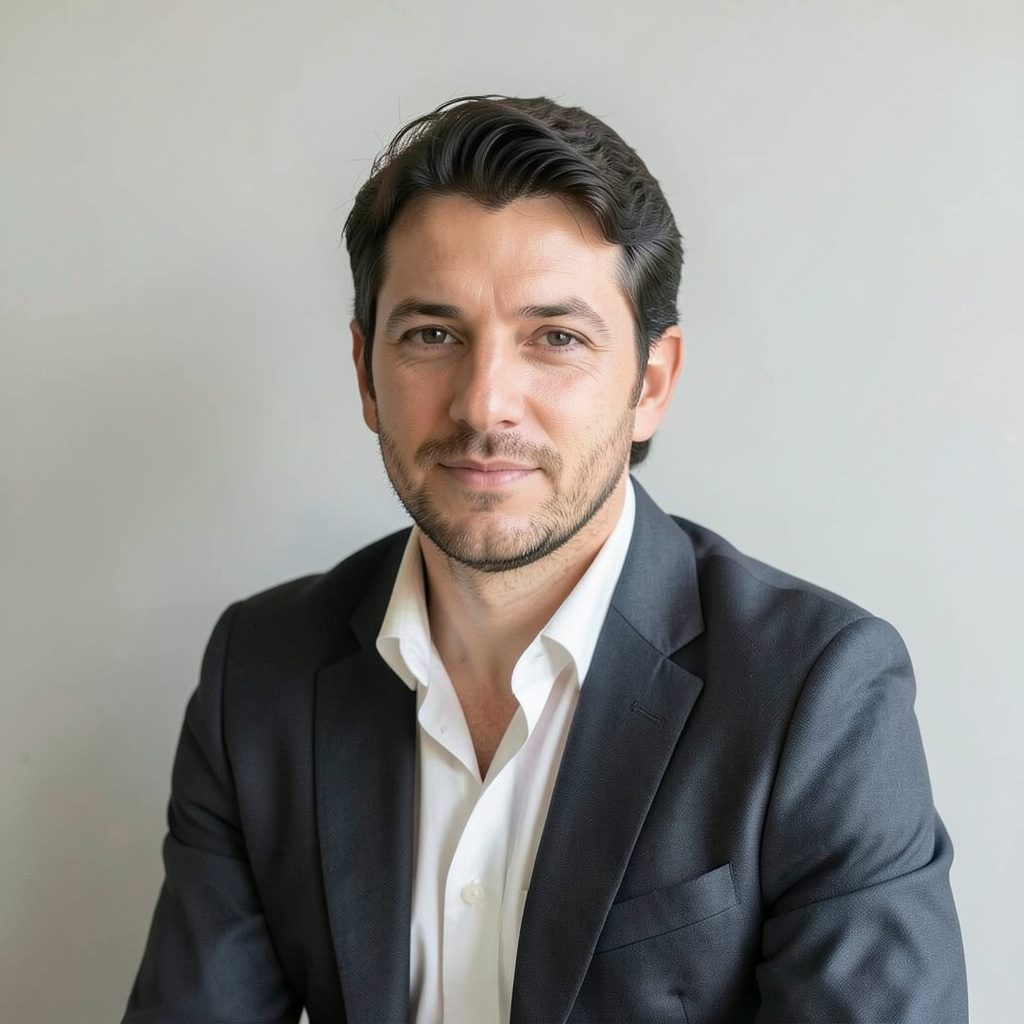
Christoph on his love for vintage synthesizers
Christoph’s affection for vintage synthesizers is less about recreating a golden decade than about the pleasure of working with machines that reveal how they make sound. Their knobs, switches and visible circuitry turn programming into a physical conversation that carries from the Bay Area studio to the stage.
For the musician behind Think13, ageing gear also carries social history. A Juno, Minimoog or Oberheim can connect a new performance to records, radio programmes and collaborators who shaped electronic music. Christoph treats such instruments as imperfect, repairable partners capable of surprises a preset-heavy instrument may never offer.
| Feature | Vintage analogue synthesizer | Present-day digital or hybrid |
|---|---|---|
| Sound generation | Oscillators, filters and envelopes | Digital oscillators, sampled waves and models |
| Control | Dedicated knobs, switches and patch cables | Presets, screens and menu-based editing |
| Maintenance | Capacitors, key contacts and calibration | Firmware, batteries and sound libraries |
| Distinctive value | Individual character and repairability | Reliability, portability and flexibility |
Why old circuitry still feels alive
Christoph is drawn to the visible cause and effect of analogue design. Moving a voltage-controlled oscillator or changing a filter cutoff produces an immediate response, while the instrument exposes its construction instead of hiding it behind software. That directness can make a simple bass line feel substantial.
The attraction is not purely nostalgic. Circuits can be studied, altered and understood, while worn controls add character. He values knowing which quirks belong to the original design: replacing a part can restore function without erasing the personality that made the piece memorable.
Turning knobs into musical decisions
In the studio, vintage synthesizers often become collaborators rather than preset sources. Christoph may begin with one oscillator, add a resonant filter and record the result before deciding how it belongs in a Think13 song with Dee. Tape hiss, drifting tuning and slow envelopes can become part of the composition rather than faults to erase.
The same qualities work onstage because they demand attention. A performer cannot rely on a programmed sequence to rescue a drifting patch and must respond to the machine in the room. Each concert becomes an exchange between musician, circuit and audience, with split-second decisions no polished arrangement could reproduce.
The Bay Area exchange
The Bay Area gives Christoph a dense network of studios, record shops, radio outlets and performance spaces where old and new electronic music meet. Think13 follows that exchange through songs, live appearances and conversations with fellow musicians, where an obscure sequencer can reshape an album track within weeks.
Listening to releases at At The Helm Records can feed the process, since an unusual mix or production choice may suggest a fresh patch. The connection is not imitation: Christoph hears how a record creates space, then uses the synthesiser as a physical tool for answering that musical problem differently.
Vintage synths in an Australian context
Australian players meet these instruments in a different setting. Sydney and Melbourne have specialist dealers, second-hand shops and online sellers serving a strong market for analogue synthesizers and drum machines. Weekend synth meet-ups and record fairs offer everyday chances to compare circuits, trade advice and hear rare sequencers outside showrooms.
Mains power is one practical difference. Australia runs at 230–240 volts, unlike the Bay Area’s 120-volt supply, so a North American instrument may need an appropriately rated step-down transformer or a technician’s inspection. Internal voltage settings and component condition matter as much as the wall plug.
Humidity is another local variable, especially around Brisbane and other coastal areas. Salt-laden air, summer moisture and temperature swings can encourage corrosion in sockets and damage old keybeds, capacitors or wooden cabinets. Dehumidified storage and prompt servicing protect gear that rarely faces those conditions in California.
Consumer protection and border costs also matter. Under Australian Consumer Law, a dealer’s statements about condition and description remain important, and guarantees for faulty goods cannot simply be excluded; those dealer protections generally do not apply to casual private sales. Imported instruments may attract GST and, depending on origin and value, customs duty, so the landed price can exceed the advertised price.
Buying and maintaining ageing instruments
Before buying, Christoph looks beyond the maker’s badge and asks whether the machine can be opened, measured and repaired. Service history is valuable, but clear photographs of the power supply, keybed and controls are equally useful. A cheap instrument with unknown modifications may demand more time than a costlier example with a technical trail.
Maintenance then becomes part of the creative practice. Spare parts should be sourced before a fault interrupts rehearsal, and storage conditions recorded with service notes. Recalibration and component replacement can preserve original voicing while improving reliability, leaving more time for listening and less for troubleshooting.
Education, performance and shared discovery
The curiosity that draws Christoph towards old circuitry can be passed on through performance. That bridge between experimentation and confidence is central to the VAGABOOM programme, where young musicians explore rhythm, composition and collaborative stage work. The synthesiser becomes a teaching object whose signals and gestures can be examined as closely as its notes.
Shared discovery keeps the idea alive. In school sessions, rehearsals or Bay Area radio appearances, Christoph can show how a patch changes and invite younger participants to listen for cause and effect. Dee’s involvement and the wider Think13 community turn technical knowledge into music rather than a collector’s private ritual.
Keeping vintage character alive
Christoph’s love for vintage synthesizers is sustainable when use and preservation are treated as partners. Old machines should be heard in studios and on stages, yet each outing should be matched by basic care, voltage checks and sensible transport. Their scratches, drift and inconsistent tuning are worth preserving when they contribute, not when they threaten the instrument or performers.
The practical lesson is to know each instrument’s condition, service it before a critical date and keep the signal flow simple enough to troubleshoot under pressure. Vintage gear can then become more than a nostalgic centrepiece: it becomes a dependable source of movement, texture and surprise, with its character kept alive through thoughtful handling and shared knowledge.