How a lighting designer shapes the mood of live music
A song can be intimate in a recording and enormous in a room. Lighting helps explain that change, giving the eye a rhythm and the body a sense of place. Its job is not simply to make a stage brighter or more colourful; it shapes attention, emotion and time.
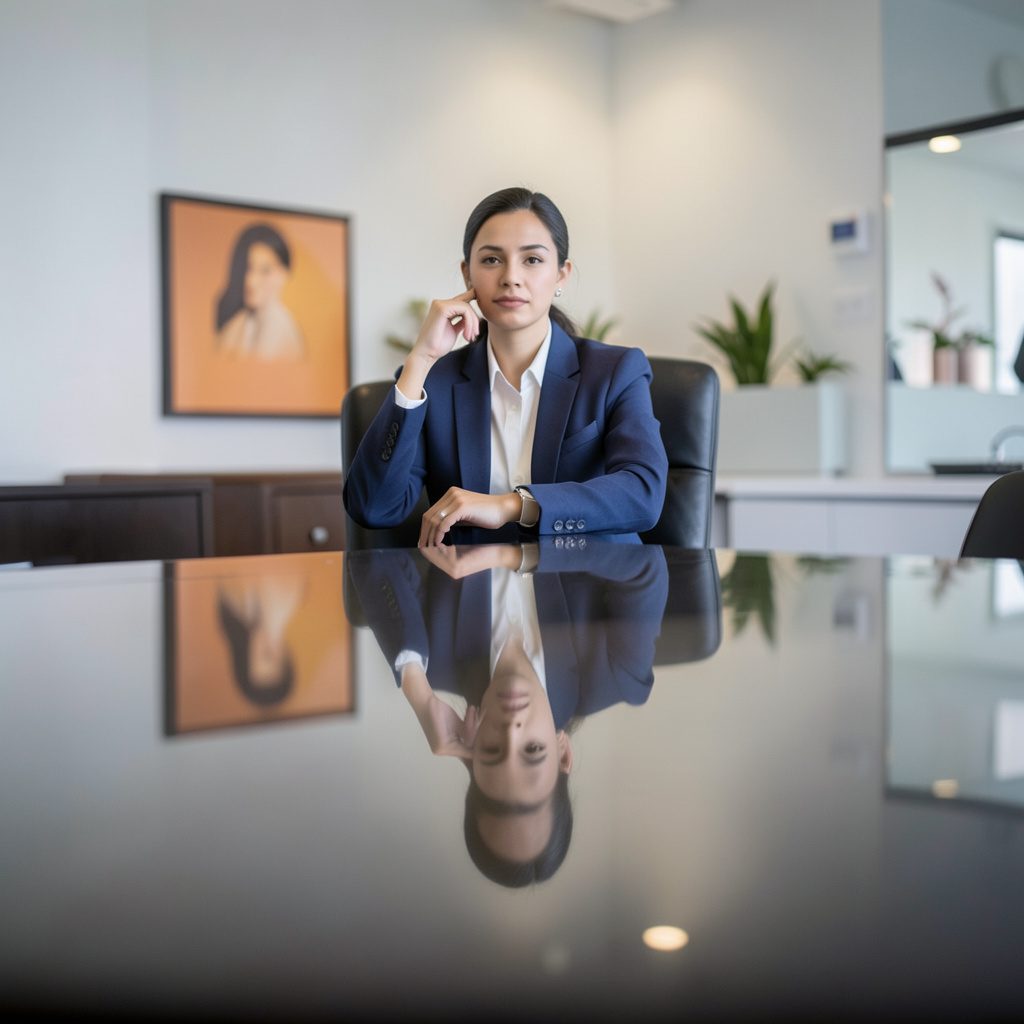
This interview with a lighting designer on creating mood for live sets begins with a practical idea: every visual choice should answer the music. Rina Patel, who works across clubs, theatres and community events, describes her stage-lighting work as building an emotional sequence that performers and audiences can feel.
For Think13, that conversation sits naturally alongside the work of musicians Dee and Christoph and the creative collaborations around their live performances. It also offers a useful bridge to VAGABOOM, the youth performance and educational program, where young artists can see how sound, movement and light become a shared language.
These ideas speak to an Australian audience while connecting with the Bay Area’s DIY scene. Small Melbourne rooms, larger Sydney stages, outdoor Queensland festivals and the country’s volunteer-rich live circuit demand different visual solutions. The common thread is a partnership between music, place and people.
Building an emotional atmosphere
“What were you listening for when you began a set?” we asked Patel. “The space between phrases,” she replies. “A held note can feel like a doorway, while a sudden silence can feel like a trapdoor. I decide what the audience should notice, then find the lightest visual way to guide them there.”
Her palette often starts with restraint. A warm wash may hold a verse, a single side light can expose a singer’s face, and colour can arrive only when the arrangement has earned it. “If every moment looks dramatic, nothing feels important,” she says. “Contrast gives the music room to breathe.”
That principle carries into practical details: a dimmer curve, a slow fade or a beam crossing the drummer at the right instant. Patel treats these as musical decisions rather than decoration. The setlist, song structure and length of an applause break all become part of the cue plan.
Reading the room in real time
Lighting is planned, but it must also respond to what happens in front of it. A sold-out room can change the energy, an unplanned encore can lift it, and a nervous performer may need softer front light. Patel watches faces from the desk and adjusts intensity without drawing attention to the intervention.
Architecture matters as much as the score. At Melbourne’s The Tote or the Corner Hotel, a narrow stage and low ceiling may call for fewer fixtures and sharper angles. In a room such as Sydney’s Enmore Theatre, the same song can open into a wider image. The visual scale should answer the physical scale without overpowering either.
Programming therefore leaves room for judgement. A beat-linked sequence can lock tightly to a drum pattern, while a half-time wash can let a band breathe between songs. For a sonic reference while programming, the DJ Revel community offers a useful reminder that tempo, texture and expectation belong together.
Colour, texture and musical instinct
Colour does more than label emotion. Patel uses amber for warmth, deep blue for distance and hard white light for edges and tension, but she resists a fixed colour chart. “Blue can feel tender in one song and cold in another,” she says. “Context gives it meaning.”
Texture comes from gobos, haze, shadows and the movement of beams. A patterned wash might make a quiet composition feel architectural; a narrow beam can turn a guitarist into a silhouette. For VAGABOOM participants, that vocabulary offers an accessible way into technical theatre, where confidence grows by making small choices and seeing their effect.
Designing around Australian conditions
Outdoor production in Australia adds another layer. Brisbane’s late-summer heat can affect haze, colour temperature and crew endurance, while strong coastal daylight can wash out projections around sunset. Patel checks weather, sun angles and the festival’s power plan before deciding whether a cue needs to be brighter, softer or completely different.
The local market reinforces that preparation. Australian touring often moves through independent rooms, community halls and large festivals supported by mixed crews of paid technicians and volunteers. A design that depends on specialist rigging or a large fixture array may look impressive elsewhere and become impractical on a regional stage, so portable fixtures and clear handover notes become valuable.
Even then, the artistic idea survives. A volunteer may run fewer cues, a generator may flicker and a stage may sit at an awkward angle. Good programming builds in graceful alternatives: a cue that can change colour instead of chase, or a blackout that still reveals the performer’s silhouette.
Collaboration before the doors open
Most of Patel’s strongest ideas begin in rehearsal, not at the console. She watches how Dee and Christoph move through a song, listens for when their arrangement changes, and asks what the audience should feel before they know it themselves. The band may request a clean look for a lyric, while the production team may want more movement for a new track.
That exchange matters because a stage picture can reveal character. The VAGABOOM program offers another valuable model: young performers, mentors and technicians make decisions together, then learn how each choice affects the whole show. The same co-operative process helps Think13’s wider creative work stay experimental without losing practical control.
That attention to participation extends beyond the stage. Think13’s coverage of the Pontoon loyalty bonus treats the live event and the offer as parts of one audience relationship. Australian audiences often combine QR-coded tickets, merchandise and communal encores with a willingness to support independent scenes, giving designers and promoters useful signals about where energy is heading.
The glow that remains
At the end of our conversation, Patel returns to the first silence before a set. The house lights fall, the crowd finds its silhouette, and the room seems to inhale. “That is where the design begins,” she says. “Before anybody cheers, we have told them this performance is going to be different.”
What should remain is not the machinery but the feeling: a lyric exposed, a chorus shared, a quiet room made immense. A strong cue can pass almost unnoticed, leaving only the emotion it carried. The light may leave the stage, but the feeling of the live set remains in the audience.