How 90s alt-rock shapes Think13’s sound
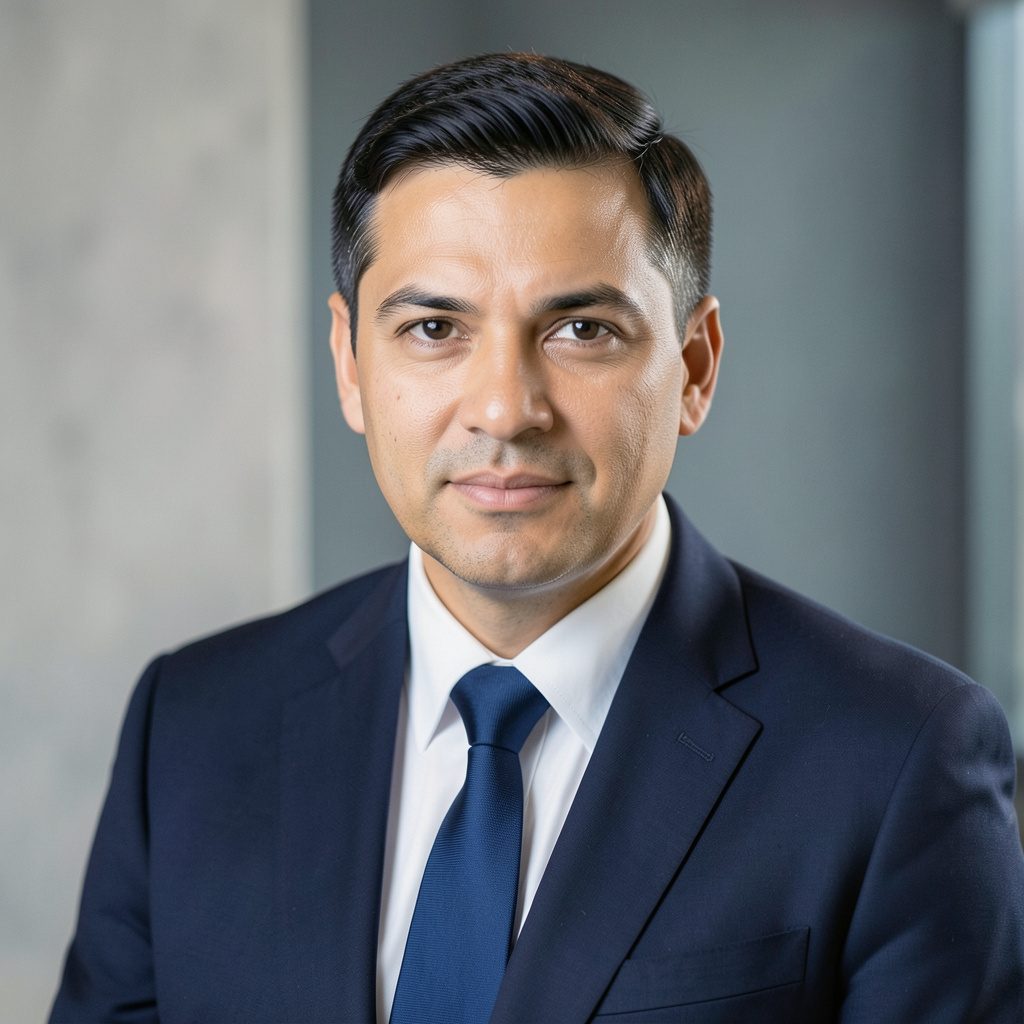
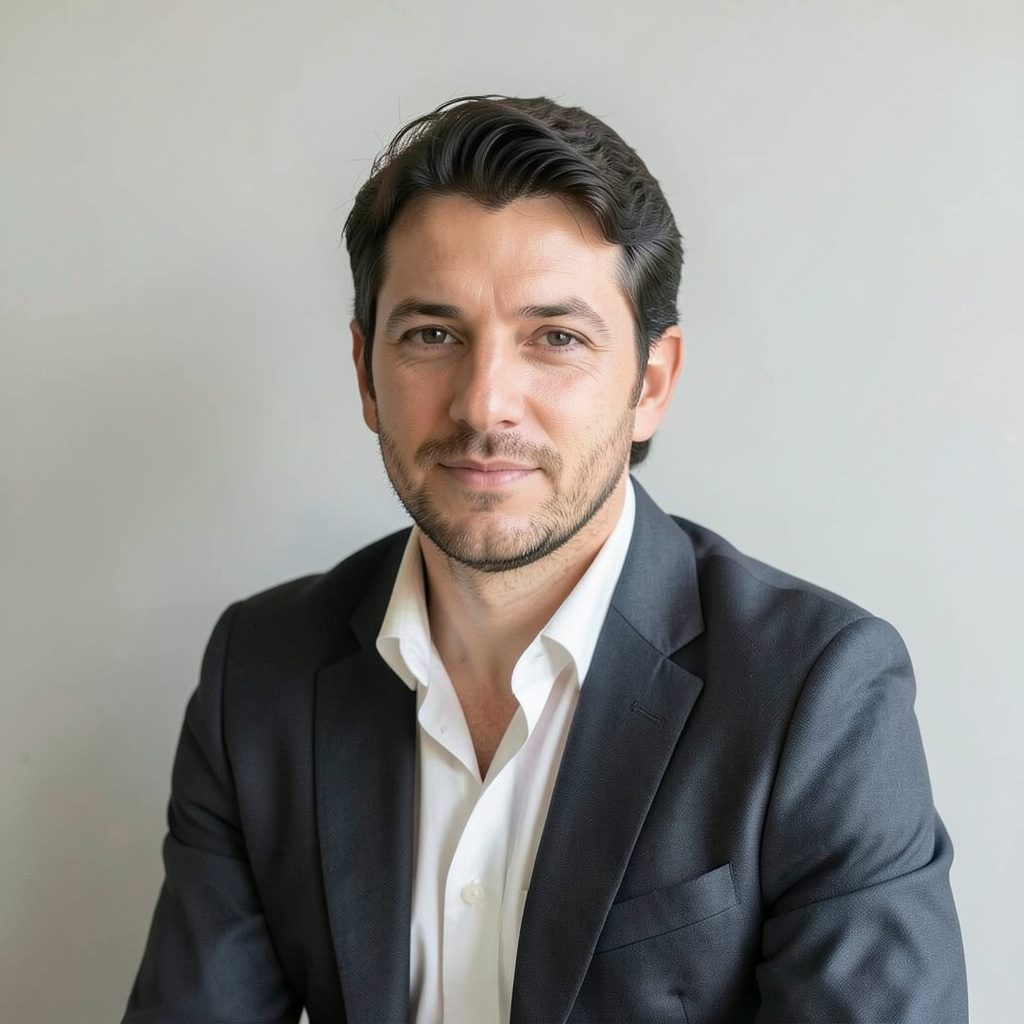
Think13’s music occupies an energetic middle ground between melodic songwriting, live instrumentation and experimental collaboration. The influence of 90s alt-rock on Think13’s sound appears in its appetite for contrast: crisp verses can give way to widescreen choruses, restrained passages can open into saturated guitar textures, and polished releases still feel shaped by a hands-on rehearsal room. For Dee and Christoph, that combination offers a direct way to connect personal reflection with the communal force of a live performance.
Australian listeners may recognise the appeal of this approach even when the songs arrive from the other side of the Pacific. Think13’s Bay Area perspective brings regional punk, hip-hop, electronic and experimental influences into the same frame as the grunge, indie rock and post-grunge records that shaped alternative music in the 1990s. The result is less a recreation of a former era than a continuation of its DIY spirit, adapted for contemporary releases, radio play and shared stages.
From grunge to Bay Area chemistry
Nineteen-nineties alternative rock was never a single sound. Bands such as Nirvana, Radiohead, Smashing Pumpkins and Hole moved through grunge, shoegaze, Britpop and raw power pop while sharing an emphasis on unusual song structures, expressive vocals and independent culture. Think13 draws on that broad inheritance, using familiar rock dynamics as a foundation for experimentation rather than treating any one influence as a blueprint.
| 90s alt-rock quality | Think13’s musical expression | Live effect |
|---|---|---|
| Contrasting dynamics | Controlled verses expand into layered choruses | Builds tension before releasing it |
| Distorted guitars | Texture and clarity share space with cleaner passages | Keeps the band responsive and immediate |
| Unvarnished vocals | Emotional delivery takes priority over polish | Creates a direct connection with listeners |
| DIY attitude | Collaboration and experimentation remain central | Makes the stage feel participatory |
| Distinctive songwriting | Melodic hooks sit beside unconventional structures | Rewards close listening without losing momentum |
This comparison highlights a careful balance. Think13’s music can be rhythmically precise and atmospheric, yet it retains the bite associated with alternative rock. Guitar, bass, drums and electronic elements appear to serve the song rather than compete for attention, producing arrangements that feel both engineered and spontaneous.
The Bay Area adds another layer. Its culture rewards musicians who move comfortably between genres, venues and audiences, making Think13’s collaborative outlook a natural extension of its surroundings. That flexibility also keeps the project connected to the original alt-rock ideal: a record or performance should reflect the people, places and conversations behind it.
Distorted guitars and honest vocals
Guitar sound is one of the clearest links between the 1990s and Think13’s palette. The influence does not depend on heavy distortion alone. It can be found in the careful use of feedback, chiming chords, muted riffs and moments when an instrument drops out. These choices create space around Dee and Christoph’s performances and give each arrangement its own shape.
Vocals carry much of the emotional detail. Alternative rock generally favoured a human voice over perfect polish, and that principle suits Think13’s direct style. A vocal can remain restrained without becoming detached, then reveal a sharper edge when a song needs urgency. The approach recalls the expressive delivery of 1990s alternative records while benefiting from modern production tools and a more fluid understanding of genre.
The important connection is the studio process rather than nostalgia for vintage equipment. Fuzz pedals and analogue-inspired textures can add colour, but they do not define the music by themselves. Think13’s sound emerges from the interaction of instruments, live dynamics and creative exchange, allowing a rough edge to feel purposeful and every polished passage to retain some human tension.
Radio, records and Australian listening
Radio played a major part in exposing alternative rock to Australian audiences during the 1990s, even when the most visible imagery came from American television. Today, listeners encounter new music through a broader mix of streaming services, community radio, Triple J, Unearthed, live sessions and the renewed popularity of vinyl. This fragmented pathway rewards songs that reveal themselves gradually without making obscure radio programming a barrier to discovery.
Think13’s interest in radio appearances and live performance therefore fits an Australian listening culture that still values discovery through trusted presenters, curated playlists and intimate venues. In Melbourne and Sydney, small rooms often bring together several artists from adjoining scenes, encouraging musicians to sound distinct without relying on exaggerated volume. That habit gives a mid-tempo, detail-rich performance the same advantage as a guitar solo: there is somewhere for the audience’s attention to land.
Australian radio also operates within clear legal and industry structures. APRA AMCOS manages public performance licensing for broadcast and live contexts, while the Classification Board determines restrictions on material used in commercial broadcasts. These systems can encourage precise editing and thoughtful programming, but they also underline the value of an arrangement that communicates through arrangement, timbre and dynamics as well as lyrics.
The local market presents a similar balance. Alternative and independent releases circulate through specialist stores, online marketplaces, festivals and word of mouth, often competing with established artists across streaming charts. For Think13, reaching Australian listeners does not require imitating local trends. A focused release, a credible live show and consistent airplay can introduce the project’s Bay Area perspective to an audience accustomed to following artists across national and international catalogues.
VAGABOOM and the shared stage
VAGABOOM gives Think13’s connection to 90s alternative rock a practical and social dimension. The youth performance and educational programme turns music from a finished product into a process involving rehearsal, confidence, listening and collective expression. Young performers encounter the same principles that shaped alternative bands decades earlier: every part matters, and a song becomes convincing when its members listen to one another.
That ethos feels particularly relevant on a stage. Instead of separating the featured musicians from the audience, a VAGABOOM performance can place workshops, improvisation and formal songs within one shared event. The experience reflects the collaborative spirit of 1990s alternative scenes, where concerts often functioned as meeting places as much as entertainment.
Think13’s wider Bay Area activity also creates a bridge between generations. Dee and Christoph can present the project’s creative reflections while younger performers contribute fresh energy, technical ideas and different musical instincts. Live recordings then capture something a studio track cannot reproduce: the timing of a shared laugh, the adjustment of a band after a mistake, or the moment a room responds to a repeated chorus.
For Australian audiences familiar with community halls, school performances and multi-act community events, the model is immediately understandable. Its international value lies in the method rather than the location. Participants learn that creative freedom works best alongside structure, that experimentation can include disciplined rehearsal and that performance is a form of exchange rather than a display of technical perfection.
A modern set with an analogue pulse
Think13’s strongest connection to 90s alternative rock is likely its live potential. Songs that begin as intimate recordings can expand through bass, drums, guitar and electronic texture without abandoning their melodic centre. A compact arrangement can leave more room for interpretation, allowing each performance to shift while retaining a recognisable identity.
This approach also supports the project’s broader musical exchanges. A collaboration can introduce another artist’s rhythmic habits or production methods, while a reinterpretation can reveal which elements belong permanently to a song and which were simply particular to one recording. The spirit of the original alternative scene remains, even when the tools and collaborators have changed.
Think13’s next concrete step is to capture one complete VAGABOOM collaboration live, document the arrangement from rehearsal through performance, and release the finished recording alongside the original Think13 track.